Which cashback credit card in New Zealand pays you the most?

If you want the highest everyday return among cashback credit cards in New Zealand, Woodo's top pick is the ANZ CashBack Visa Platinum. It earns $1 for every $120 you spend, which works out to 0.83% back on your general purchases, the best rate on this shortlist. It carries an NZ$80 annual fee, so it rewards people who put real money through the card each month. If your spending is lighter, a no-fee or lower-fee option may leave you better off. Here's how the four cards compare, and how to work out which one suits your wallet.
| Card | Annual fee | What it earns | Sign-up offer | Best for |
|---|---|---|---|---|
| ANZ CashBack Visa Platinum | NZ$80 a year | $1 cash back for every $120 spent (0.83%) | None listed | Higher spenders who want the best rate |
| TSB Platinum Mastercard | NZ$90 a year | $1 cashback for every $125 spent (0.80%) | None listed | People who want insurance perks bundled in |
| ANZ CashBack Visa | NZ$40 a year | $1 cash back for every $150 spent (0.67%) | None listed | Moderate spenders wanting a low annual fee |
| SBS Visa Credit Card | No annual fee | $1 cash back for every $150 spent (0.67%) | None listed | Light spenders who want zero fees |
The top cashback cards in New Zealand, card by card
ANZ CashBack Visa Platinum
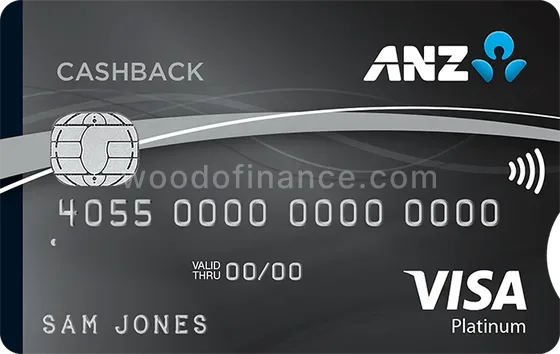
The ANZ CashBack Visa Platinum suits someone who runs most of their everyday spending through one card. Groceries, petrol, bills and the rest add up, and at $1 back for every $120 spent (0.83%), this is the highest general rate among the cashback credit cards in New Zealand on this list. Cashback is unlimited, so there's no cap to bump into, and ANZ Loop can add extra cashback at participating partners on top of the usual rate.
It costs NZ$80 a year, charged in full once per year, and the purchase rate is 20.95% p.a. There's no foreign transaction fee, which is handy if you shop on overseas sites or travel. The card also comes with Visa Concierge and Visa Offers and Perks. The catch: the NZ$80 fee eats into your rewards, so you need enough spend each year for the higher rate to pull ahead of a cheaper card. Run the numbers before you apply.
TSB Platinum Mastercard
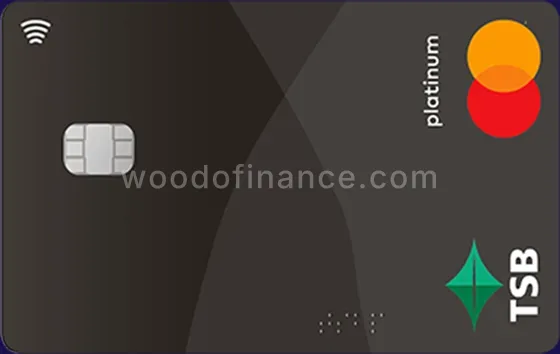
The TSB Platinum Mastercard earns $1 cashback for every $125 of eligible purchases, a rate of 0.80%. What sets it apart is the stack of insurance cover: mobile phone protection, price protection, purchase protection, and domestic and international travel insurance. If you'd otherwise pay for some of those separately, the bundle can tip the maths in its favour.
The annual fee is NZ$90, the highest here, and the purchase rate is 20.95% p.a. You get up to 55 days interest free on purchases, and the foreign transaction fee is 1.9%. One thing to watch: a $60 monthly cashback threshold applies, so you need to spend enough in a month to earn. There's also a 0% p.a. balance transfer rate for 6 months, useful if you're moving a balance across. Confirm the current terms on the card's page before applying.
ANZ CashBack Visa
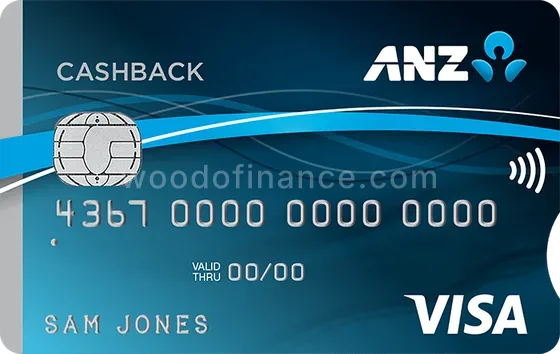
The ANZ CashBack Visa is the lower-fee sibling of the Platinum. It earns $1 cash back for every $150 spent (0.67%) and charges NZ$40 a year, half the Platinum's fee. For moderate spenders, that smaller fee can mean more money stays in your pocket even though the rate per dollar is lower.
Cashback is unlimited, and ANZ Loop adds extra cashback at participating partners, same as the Platinum. The purchase rate is 20.95% p.a. and there's no foreign transaction fee. The trade-off is the earn rate: you'll collect less per dollar than on the Platinum or the TSB card. Whether that matters depends on how much you spend. If your card sees a few hundred dollars a month rather than a few thousand, the lighter fee usually wins.
SBS Visa Credit Card
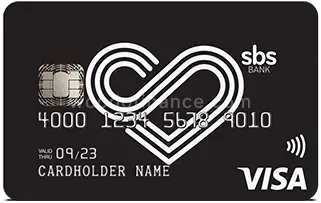
The SBS Visa Credit Card is the only card here with no annual fee. It earns $1 for every $150 of eligible spend (0.67%), matching the ANZ CashBack Visa's rate without any yearly cost to recover. For light or occasional spenders, that's the simplest way to come out ahead: no fee means every dollar of cashback is clear gain.
You can add a family member as an additional cardholder at no extra cost, as long as they're 18 or over. The purchase rate is 19.65% p.a., the lowest on this list, and there's a 2% foreign transaction fee. The catch is the earn rate, which sits at the bottom of the group. If you spend heavily, a fee-paying card with a higher rate could earn you more overall. If you don't, zero fee is hard to argue with.
How to choose a cashback card in New Zealand
Start with two columns of the table: the annual fee and the earn rate. A higher rate only pays off if you spend enough to cover the fee it comes with. The ANZ CashBack Visa Platinum earns 0.83% but costs NZ$80. The SBS Visa Credit Card earns 0.67% and costs nothing. Somewhere between those sits a spending level where one overtakes the other, and that level depends entirely on what you put through the card.
So the real question is how much you spend, and on what. If you charge most of your bills, groceries and petrol to one card, a fee-paying card with a better rate usually wins. If the card only comes out for the occasional purchase, no fee beats a slightly higher rate every time. Watch the fine print too: the TSB Platinum Mastercard has a $60 monthly cashback threshold, so light months earn nothing there. If you travel or shop on overseas sites, the foreign transaction fee matters, and both ANZ cards charge none.
The clearest way to settle it is to look at your own numbers. If you're not sure how much you spend each month, a free bank statement converter turns your PDF statements into a tidy spreadsheet so you can add up a realistic yearly figure before you commit to a fee.
How we picked these cards
This shortlist is the four cashback cards Woodo lists for New Zealand, drawn from our cashback card comparison for New Zealand. The figures here were recorded on 1 November 2026. We rank cards by estimated yearly rewards on a typical spending mix, minus the annual fee; cards that publish no reward rates follow, cheapest annual fee first. That's why the Platinum leads despite its fee, and why the two 0.67% cards sit lower.
No issuer pays to appear on this list or to move up it. We build the comparison from issuer pages and check it every month, because fees and rates change often. Always confirm the current figures and any sign-up offer on the card's own page before you apply.
Your next step
Pick the two columns that matter most to you, the annual fee and the earn rate, then match them against how much you actually spend. If the Platinum's NZ$80 fee looks worth it, great; if not, the lower-fee ANZ card or the no-fee SBS card may serve you better. You can see all four side by side on Woodo's New Zealand credit card comparison. And if you upload a few months of statements to Woodo first, you'll see which spending categories dominate, which is usually what decides the right card.
FAQ
Which cashback credit card in New Zealand has the highest earn rate?
The ANZ CashBack Visa Platinum, at $1 cash back for every $120 spent, or 0.83%. That's the best general earn rate on Woodo's New Zealand shortlist. It carries an NZ$80 annual fee, so the higher rate only pays off if you spend enough to cover that cost. The TSB Platinum Mastercard is close behind at 0.80%, and both ANZ CashBack Visa and the SBS Visa Credit Card earn 0.67%. Which one leaves you best off depends less on the headline rate and more on your yearly spend. A high rate on a small balance can earn less than a lower rate with no fee to recover.
Is there a cashback card in New Zealand with no annual fee?
Yes. The SBS Visa Credit Card charges no annual card fee and earns $1 for every $150 of eligible spend. Because there's no fee to recover, every dollar of cashback you earn is pure gain, which makes it a sensible pick for light or occasional spenders. You can also add a family member as an additional cardholder at no extra cost, as long as they're 18 or over. The trade-off is the earn rate, which sits at the bottom of this group alongside the ANZ CashBack Visa. If you spend heavily, a fee-paying card with a higher rate could still earn you more overall.
How is the cashback paid on these cards?
Each card earns cashback as a dollar amount for a set level of spend. The ANZ CashBack Visa Platinum pays $1 for every $120 spent, the TSB Platinum Mastercard $1 for every $125, and both the ANZ CashBack Visa and SBS Visa Credit Card pay $1 for every $150. Both ANZ cards earn unlimited cashback, so there's no cap. ANZ Loop can add extra cashback at participating partners. Note the TSB card has a $60 monthly cashback threshold, so a quiet spending month may earn nothing there. Check each issuer's page for exactly how and when the cashback lands.
Do these cards charge fees when I spend overseas?
It varies by card. Both the ANZ CashBack Visa Platinum and the ANZ CashBack Visa charge no foreign transaction fee, which helps if you shop on overseas websites or travel. The TSB Platinum Mastercard charges 1.9% and the SBS Visa Credit Card charges 2% on foreign transactions. If a decent share of your spending is in another currency, that fee can quietly undo the cashback you earn, so it's worth weighing against the earn rate. For regular overseas spenders, the two ANZ cards have a clear edge here.
How much do I need to spend for a fee-paying cashback card to be worth it?
Enough that the extra cashback from the higher rate beats the annual fee you're paying. The ANZ CashBack Visa Platinum earns 0.83% but costs NZ$80 a year, while the no-fee SBS Visa Credit Card earns 0.67%. On a small balance, the SBS card can leave you ahead because there's no fee to recover. On a large balance, the Platinum's better rate overtakes it. The exact crossover depends on your own spending, so add up a realistic yearly total before applying. Converting a few months of statements into a spreadsheet is the quickest way to get that figure.
What should I check before applying for a cashback card in New Zealand?
Check the annual fee, the earn rate, any monthly spending threshold, and the foreign transaction fee, then line them up against how you actually spend. The TSB Platinum Mastercard, for example, applies a $60 monthly cashback threshold, and the purchase rates on these cards range from 19.65% p.a. on the SBS Visa Credit Card up to 20.95% p.a. on the others. If you carry a balance, that purchase rate matters more than the cashback. Confirm every figure on the card's own page, since fees and rates change and no approval is guaranteed.
Does the TSB Platinum Mastercard offer anything beyond cashback?
Yes. Alongside $1 cashback for every $125 of eligible purchases, the TSB Platinum Mastercard bundles mobile phone protection, price protection and purchase protection insurance, plus domestic and international travel insurance. It also offers up to 55 days interest free on purchases and a 0% p.a. balance transfer rate for 6 months. If you'd otherwise pay for some of that cover separately, the NZ$90 annual fee can look better value than the cashback rate alone suggests. Just remember the $60 monthly cashback threshold, and confirm the current insurance terms on the card's page before relying on any of it.
Stop logging every coffee.Do it on a Sunday.
One PDF, once a month. Woodo's AI pulls every transaction, sorts by category, and shows you where the money went — finished before your coffee cools.
More from Woodo Blog

Which German card hands you the biggest sign-up bonus?
The easybank Kreditkarte is Woodo's top sign-up bonus pick in Germany, with a €50 start bonus and no annual fee. Here's how it compares with five other cards and which bonus suits how you spend.

Which cashback card in Sweden puts the most back in your pocket?
Woodo's top cashback pick in Sweden is the American Express Blue Cashback, which pays 1.25% back on everything you buy. Here's how six cards compare, and which one fits how you actually spend.
Which no annual fee credit card in Canada is worth carrying?
Woodo ranks the More Rewards RBC Visa Infinite first among no annual fee credit cards in Canada, for its 4x points on everything at a $0 fee. Here's how six cards compare on rewards, rates and perks.