Which cashback card in Sweden puts the most back in your pocket?

If you want the simplest answer, Woodo's top pick among cashback credit cards in Sweden is the American Express Blue Cashback. It pays a flat 1.25% back on everything you spend, the highest plain rate on this shortlist, and it charges SEK 35 a month. That one rate is why it leads: you don't have to think about categories or caps to earn it. The rest of this guide walks through six cards, what each one actually pays, and how to match a card to the way you spend.
| Card | Annual fee | What it earns | Sign-up offer | Best for |
|---|---|---|---|---|
| American Express Blue Cashback | SEK 35 a month (SEK 420 a year) | 1.25% cash back on everything | None listed | A high flat rate with no category juggling |
| Resurs Family | No annual fee | 1% on groceries, fuel, transport, streaming, bills and pharmacy; 0.50% elsewhere | None listed | Households that spend on everyday essentials |
| Bank Norwegian Visa | No annual fee | 0.50% back as cashback or CashPoints | None listed | Fee-free spending and Norwegian flyers |
| Preem Mastercard | No annual fee | 0.50% bonus, plus öre off fuel at Preem | None listed | Drivers who refuel at Preem |
| Volkswagenkortet Visa | No annual fee | 0.40% as points toward your bill | None listed | Volkswagen owners servicing at the dealer |
| Škoda Kortet Visa | No annual fee | 0.40% as points toward your bill | None listed | Škoda owners servicing at the dealer |
The cashback cards worth a closer look in Sweden
American Express Blue Cashback
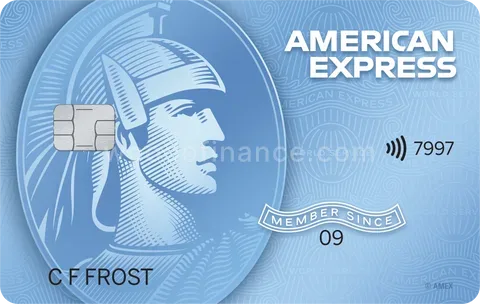
This card suits anyone who wants a single, high rate and no mental arithmetic. The American Express Blue Cashback pays 1.25% back on everything you buy, which is the top plain rate here. There are no spending categories to track and no monthly cap mentioned, so a big grocery run earns the same rate as a restaurant bill or a flight.
It costs SEK 35 a month, or SEK 420 a year, the only card on this list with an annual fee. The purchase rate is 17.99% p.a. (effective 20.82% on SEK 100,000 over 12 months), so clear the balance each month to keep the cashback worth having. You get up to 55 days interest-free and travel insurance that covers you, a partner and children under 25 when at least 75% of the trip goes on the card. The main catch is Amex acceptance: fewer small Swedish shops take it than Visa or Mastercard, so check that your regular places accept it before you rely on it.
Resurs Family
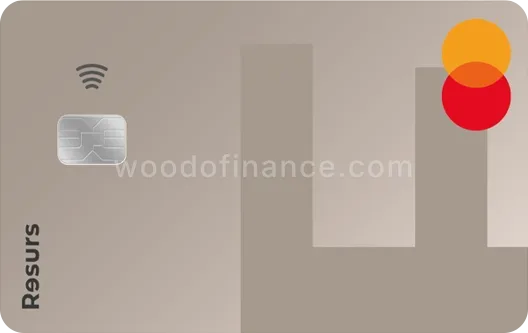
If most of your money goes on everyday essentials, the Resurs Family card from Resurs Bank is built for you. It pays 1% on groceries, fuel, public transport, streaming, electricity and water, and pharmacies, with 0.50% on most other purchases. The cashback lands in a savings account that pays 3% on the first SEK 20,000, so your rewards earn a little interest while they sit.
There's no annual fee. The purchase rate is 15.9% p.a. (effective 17.1% on SEK 20,000 over 12 months), the lowest here, and you get up to 60 days interest-free. The extras read like a household safety net: up to SEK 3,000 a month toward food if you lose income involuntarily, excess cover for home damage, and travel insurance when at least 75% of the trip is paid with the card. The catch is the cap. Cashback tops out at SEK 125 a month, so once your eligible spending passes a certain point you stop earning more.
Bank Norwegian Visa
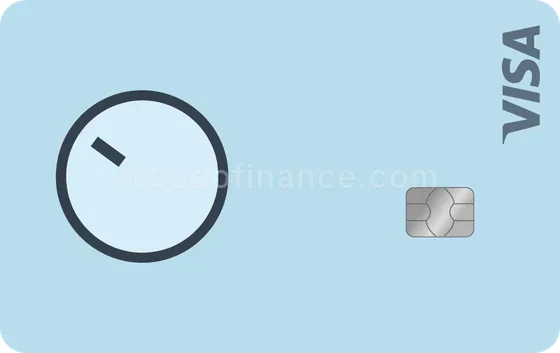
The Bank Norwegian Visa fits someone who wants a no-fee Visa and flies with Norwegian now and then. It gives 0.50% back on purchases, taken as cashback or Norwegian CashPoints, on up to SEK 100,000 of spending a year. If you pick CashPoints, you also earn 3% on LowFare, 4% on LowFare+ and 5% on Flex tickets at Norwegian.
No annual fee, and a foreign transaction fee of 1.99%, slightly below the 2% on some rivals. The purchase rate is high at 22% p.a. (effective 24.36% on SEK 10,000 over 12 months), so this is a card to pay off in full. You get up to 45 days interest-free, including on cash withdrawals, travel insurance when more than 75% of the trip is on the card, and a credit limit up to SEK 150,000. At 0.50%, the flat cashback is modest unless the Norwegian flight points are genuinely useful to you.
Preem Mastercard
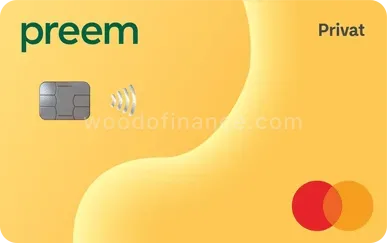
The Preem Mastercard from Ikano Bank is a card for drivers who refuel at Preem. It gives 0.50% bonus on everyday purchases, and the real draw is the fuel discount: 25 öre a litre off at staffed Preem stations and 10 öre at unstaffed ones. It's for Preem members, with no annual fee.
The package includes travel insurance, misfuelling insurance and several instalment options. If you fill up at Preem often, the per-litre saving can matter more than the 0.50% bonus. If you don't, the flat rate alone is lower than what the top two cards here pay, so it only makes sense when the fuel discount is part of your week.
How to choose a cashback card in Sweden for how you actually spend
Start with the two columns that decide it: the reward rate and the annual fee. A flat 1.25% from the American Express Blue Cashback beats a 1% category rate once your spending spreads across shops, but only if Amex is accepted where you buy. A category card like Resurs Family wins when your money clusters in groceries, fuel and bills, right up to its SEK 125 monthly cashback cap.
Then weigh the fee against what you'll earn. The Amex card costs SEK 420 a year, so you need to spend enough at 1.25% to clear that and come out ahead. Every other card here has no annual fee, which makes them easy to hold even for light spending. Check the foreign transaction fee too if you shop abroad or online in other currencies: it runs from 1.5% to 2% across these cards. And look at the purchase rate. A high rate like 22% p.a. only bites if you carry a balance, so the honest rule is to pay in full and treat cashback as a bonus, not a reason to borrow. If you're not sure which categories dominate your spending, the comparison on Woodo's Swedish card listing lets you sort by reward rate and fee side by side.
How we picked these cards
This shortlist comes from the 13 cards Woodo lists in the cashback category for Sweden. The figures were recorded on 1 November 2026. The order follows estimated yearly rewards on a typical spending mix, minus the annual fee; cards that publish no reward rates follow, cheapest annual fee first. No issuer pays to appear here, and no issuer can pay to move up the list. Woodo rebuilds the comparison from issuer pages and checks it every month, so always confirm the current rate, fee and any sign-up offer on a card's own page before you apply. You can see the full ranked set on the Sweden cashback comparison.
Your next step
Pick the two cards that fit your spending shape, open their pages, and confirm today's rates and terms before you apply. One quick way to know which card suits you: upload a few months of statements to Woodo and it shows which spending categories dominate, which is what actually decides the right card. Then compare the options on Woodo's Swedish credit card listing and apply for the one that matches.
FAQ
Which cashback credit card in Sweden pays the highest flat rate?
The American Express Blue Cashback pays 1.25% back on everything you spend, the highest plain rate on Woodo's Swedish shortlist. There are no categories to track and no monthly cap mentioned, so every purchase earns the same. It costs SEK 35 a month (SEK 420 a year), and the main limit is acceptance, since fewer small Swedish shops take Amex than take Visa or Mastercard. If your regular places accept it and you spend enough to clear the fee, it's the strongest flat-rate choice here.
Are there cashback cards in Sweden with no annual fee?
Yes. Five of the six cards here have no annual fee: Resurs Family, Bank Norwegian Visa, Preem Mastercard, Volkswagenkortet Visa and Škoda Kortet Visa. Only the American Express Blue Cashback charges a fee, at SEK 35 a month. A no-fee card is easy to hold even for light spending, because you never need to earn enough to cover a charge. The trade-off is that the no-fee cards here pay 0.40% to 1%, below the Amex card's flat 1.25%, so the right choice depends on how much and where you spend.
How is the cashback paid out?
It depends on the card. Resurs Family pays its cashback into a savings account that earns 3% on the first SEK 20,000, capped at SEK 125 a month. Bank Norwegian Visa gives 0.50% as either cashback or Norwegian CashPoints on up to SEK 100,000 of spending a year. The Volkswagenkortet and Škoda cards earn points, with every 25,000 points taking SEK 100 off your next bill. The American Express Blue Cashback pays 1.25% as cash back on what you spend. Check each card's page for how and when the reward reaches you.
Do these cards charge a fee for spending abroad?
Yes, each charges a foreign transaction fee. The American Express Blue Cashback and Resurs Family both charge 2%. Bank Norwegian Visa charges 1.99%. The Volkswagenkortet Visa and Škoda Kortet Visa both charge 1.5%, the lowest here. If you travel often or shop online in other currencies, that fee can quietly eat into your cashback, so weigh it against the reward rate before you apply. For spending inside Sweden it doesn't apply.
Which cashback card suits a household with everyday spending?
The Resurs Family card is built for everyday household spending. It pays 1% on groceries, fuel, public transport, streaming, electricity and water, and pharmacies, with 0.50% on most other purchases, all with no annual fee. The cashback goes into a savings account paying 3% on the first SEK 20,000. It also adds household extras like up to SEK 3,000 a month toward food if you lose income involuntarily. The limit is the SEK 125 monthly cashback cap, so very high spenders stop earning more once they hit it.
Is a cashback card worth it if I don't clear the balance each month?
Usually not. The cashback rates here run from 0.40% to 1.25%, while purchase rates run from 15.9% p.a. up to 22% p.a. Interest at those levels wipes out any cashback many times over if you carry a balance. These cards reward people who pay in full each month and treat the cashback as a bonus on money they were going to spend anyway. If you expect to carry a balance, a low-rate card matters far more than the reward rate, and cashback should not drive the decision.
What should I check before applying for a cashback card in Sweden?
Check four things: the reward rate on the categories you actually spend in, the annual fee, the foreign transaction fee, and whether the card is accepted where you shop. Amex acceptance is narrower than Visa or Mastercard in Sweden, so confirm your regular places take it. Look at any monthly cashback cap, such as the SEK 125 limit on Resurs Family, and confirm the current terms on the card's own page, since rates and offers change. Knowing where your money goes each month makes the choice clearer than any single rate.
Do any of these cards have a sign-up offer right now?
None of the six cards on this shortlist had a sign-up offer recorded as of 1 November 2026. Sign-up offers come and go, so an issuer may launch one after that date. Always check the card's own page for a current welcome offer before you apply, and read the spending requirement and time window attached to it. Woodo rechecks these pages every month, but the issuer's page is the final word on today's terms.
Stop logging every coffee.Do it on a Sunday.
One PDF, once a month. Woodo's AI pulls every transaction, sorts by category, and shows you where the money went — finished before your coffee cools.
More from Woodo Blog

Which German card hands you the biggest sign-up bonus?
The easybank Kreditkarte is Woodo's top sign-up bonus pick in Germany, with a €50 start bonus and no annual fee. Here's how it compares with five other cards and which bonus suits how you spend.
Which no annual fee credit card in Canada is worth carrying?
Woodo ranks the More Rewards RBC Visa Infinite first among no annual fee credit cards in Canada, for its 4x points on everything at a $0 fee. Here's how six cards compare on rewards, rates and perks.

Which US sign-up bonus credit card is worth the spend?
Woodo's top sign-up bonus pick is the Chase Sapphire Reserve, with 100,000 bonus points for spending $6,000 in three months. Here's how six US cards compare on bonus size, spend required and annual fee.