Travel credit cards in Denmark: which one fits how you travel?


If you want a straight answer, the Bank Norwegian Visa is Woodo's top pick among travel credit cards in Denmark. It carries no annual fee, pays 0.50% back on everything (as cashback or Norwegian CashPoints), and still includes travel and cancellation insurance. That combination of zero running cost and real cover is hard to beat when you're abroad. The rest of this guide walks through six cards, what each one earns or includes, and which traveller each suits, so you can match a card to how you actually spend before you apply.
| Card | Annual fee | What it earns or offers | Sign-up offer | Best for |
|---|---|---|---|---|
| Bank Norwegian Visa | No annual fee | 0.50% back on everything, plus travel and cancellation insurance | None listed | Travellers who want zero running cost and some rewards |
| FasterOikos Mastercard Standard | DKK 250 a year | Travel insurance plus geographic security controls | None listed | Low-fee cover with control over where the card works |
| Arbejdernes Landsbank Mastercard Gold Basic | DKK 495 a year including travel insurance | Worldwide family travel insurance plus purchase protection | None listed | Families travelling together who want solid cover |
| Danske Bank Mastercard Guld | DKK 795 a year | Low foreign fees in EU/EEA, Swiss and UK currencies, plus Danske Cashback | None listed | Frequent European travellers with a Danske Bank account |
| Lån & Spar Mastercard Guld | DKK 795 a year | Worldwide travel insurance on trips up to 60 days, plus car hire excess cover | None listed | Longer trips and families wanting broad cover |
| Middelfart Sparekasse Mastercard Guld | DKK 895 a year | Travel insurance on trips up to 60 days plus purchase insurance | None listed | Longer trips with purchase cover built in |
The travel cards worth a close look in Denmark
Bank Norwegian Visa
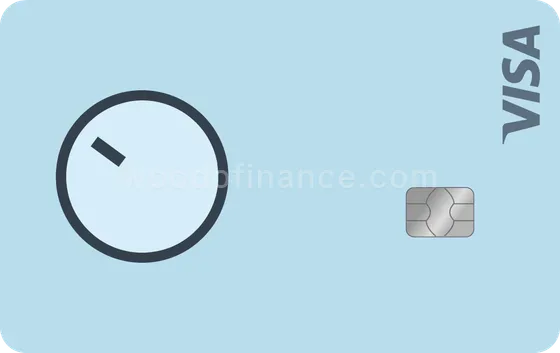
The Bank Norwegian Visa suits anyone who wants a travel card that costs nothing to hold. There's no annual fee, and you earn 0.50% back on everything, taken as cashback or Norwegian CashPoints, on up to DKK 150,000 of spending a year. If you fly with Norwegian, CashPoints earners also get 3% on LowFare, 4% on LowFare+ and 5% on Flex tickets. Travel and cancellation insurance is included, and the credit limit runs up to DKK 100,000.
What does it cost? The purchase rate is 19.99% p.a. (ÅOP 21.93% on DKK 15,000 over 12 months), so pay the balance in full and use the up-to-45-days interest-free window. The foreign transaction fee is 1.99%. That fee is the main catch: it's higher than several bank cards further down this list, so heavy spenders abroad should weigh it against the lack of an annual fee.
FasterOikos Mastercard Standard

The FasterOikos Mastercard Standard keeps costs low at DKK 250 a year and adds a feature most cards here don't: geographic security, which lets you choose where the card works. Travel insurance is included, and there's no interest charged on the credit, with up to 42 days interest-free. You can spend up to DKK 30,000 a month and withdraw up to DKK 3,000 a day in cash.
Foreign fees split by currency: 1% plus Mastercard's 0.17% in European currencies, and 1.5% plus 0.9% in others. A family card is available, though without the insurance. This one fits a careful traveller who wants cover and spending controls without paying for a gold tier.
Arbejdernes Landsbank Mastercard Gold Basic
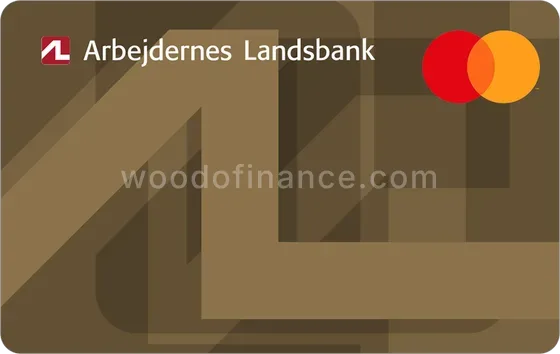
The Arbejdernes Landsbank Mastercard Gold Basic is built for families who travel together. The DKK 495 annual fee already includes basic worldwide travel insurance for you and your family when you're travelling as a group. You also get purchase protection with price protection and three extra years of warranty on electronics, plus up to 45 days interest-free on up to DKK 50,000 of spending a month.
Foreign fees are 1% in European currencies and 1.5% in others. A family card is available, and you can withdraw up to DKK 4,000 a day. The trade-off is that the insurance is described as basic and applies when the family travels together, so read the cover terms if you often travel solo.
Danske Bank Mastercard Guld
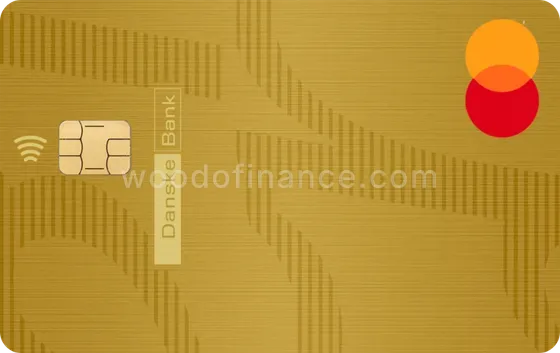
The Danske Bank Mastercard Guld earns its DKK 795 fee on low foreign fees if your trips stay in Europe. It charges 0.5% in EU/EEA, Swiss and UK currencies, and 1.5% in others, which is the lowest European rate in this group. You also get annual travel insurance in Europe, Danske Cashback at over 2,000 shops and webshops, and 25% off the Danske Bank Aviator Business Lounge in Copenhagen.
The purchase rate is 8% to 14% p.a., set per customer, and the card combines credit and debit in one. Up to 45 days interest-free applies (dropping to 40 days from 20 November 2026). The catch: the travel insurance covers Europe, not worldwide, and the card suits people who already bank with Danske Bank.
How to choose a travel card in Denmark
Start with how far and how often you travel. If most of your trips stay in Europe, the foreign transaction fee column matters more than anything else, and the Danske Bank Mastercard Guld's 0.5% European rate stands out. If you travel worldwide or take long trips, read the insurance terms instead: the Lån & Spar Mastercard Guld and Middelfart Sparekasse Mastercard Guld both cover trips of up to 60 days, even when the trip wasn't paid with the card.
Next, weigh the annual fee against what you'd actually use. A no-fee card like the Bank Norwegian Visa wins if you rarely claim on insurance and want rewards on everyday spending, while a DKK 795 gold card earns its keep only if you lean on the lounge discount, the cashback programme or the broader cover. Families should check whether cover extends to everyone travelling together, which the Arbejdernes Landsbank card and the Lån & Spar card both address.
Then read the reward line. Only two cards here publish reward rates, so for the rest the value sits in fees and insurance. The clearest way to compare is to open the full Danish card comparison and sort by the figure that matters most to your trips.
How we picked these cards
This shortlist comes from the 33 cards Woodo lists in the travel category for Denmark. Figures were recorded on 1 November 2026, so confirm the current terms and any sign-up offer on each card's page before you apply, since issuers change them often. The order follows estimated yearly rewards on a typical spending mix, minus the annual fee; cards that publish no reward rates follow, cheapest annual fee first. No issuer pays Woodo, and no issuer can pay to move a card up the list. You can see the same ranking and filter it yourself on the Danish travel card listing.
Your next step
Pick the two cards from the table that fit your travel pattern, open their pages, and check the current foreign fees and insurance terms side by side. If you're torn, the deciding factor is usually where your money already goes. Uploading a few months of statements to Woodo shows which spending categories dominate, which is often what settles the choice between a no-fee card and a gold one. When you're ready to compare the wider market, the full list of Danish cards lets you filter by fee and feature.
FAQ
Do travel credit cards in Denmark charge an annual fee?
Some do, some don't. The Bank Norwegian Visa has no annual fee, while the FasterOikos Mastercard Standard costs DKK 250 a year and the gold cards here run from DKK 495 up to DKK 895 a year. The fee usually buys wider travel insurance, purchase protection or perks like a lounge discount. If you rarely claim and want rewards on everyday spending, a no-fee card can be the better value. If you take long trips or travel as a family, a card where the fee already includes worldwide cover, such as the Arbejdernes Landsbank Mastercard Gold Basic at DKK 495 including travel insurance, can pay for itself.
What foreign transaction fee will I pay when I use the card abroad?
It depends on the card and the currency. The Bank Norwegian Visa charges 1.99% on foreign spending. The Danske Bank Mastercard Guld charges 0.5% in EU/EEA, Swiss and UK currencies and 1.5% in others, the lowest European rate here. The FasterOikos card charges 1% plus Mastercard's 0.17% in European currencies and 1.5% plus 0.9% in others. Both the Arbejdernes Landsbank and most gold cards sit around 1% in European currencies and 1.5% elsewhere. If your trips stay in Europe, this fee is the single biggest cost difference between these cards, so check it first.
Is the travel insurance on these cards worldwide or only in Europe?
It varies. The Danske Bank Mastercard Guld includes annual travel insurance in Europe only. The Arbejdernes Landsbank Mastercard Gold Basic offers basic worldwide cover for you and your family when you travel together. The Lån & Spar Mastercard Guld and Middelfart Sparekasse Mastercard Guld both provide worldwide cover on trips of up to 60 days, even when the trip wasn't paid with the card. The Bank Norwegian Visa and FasterOikos Mastercard Standard also include travel insurance. Always read the policy document for the trip length, who is covered and what counts as a claim before you rely on it.
How are the rewards paid on these cards?
Only two cards here publish reward rates. The Bank Norwegian Visa pays 0.50% back on everything, as cashback or Norwegian CashPoints, on up to DKK 150,000 of spending a year, and CashPoints earners get 3% to 5% on Norwegian flight tickets depending on the fare. The Danske Bank Mastercard Guld offers Danske Cashback at over 2,000 shops, restaurants and webshops. The other cards in this list focus their value on travel insurance, purchase protection and perks rather than a published reward rate, so compare them on fees and cover instead.
Do any of these cards have a sign-up offer?
None of the six cards in this comparison has a sign-up offer recorded as of 1 November 2026. Sign-up offers change often, though, so it's worth checking each card's own page before you apply in case an introductory deal has been added since this guide was written. A sign-up bonus shouldn't be the only reason you pick a card: the annual fee, foreign transaction fee and insurance cover affect your costs every time you travel, while a one-off bonus lands only once.
Which travel card suits a family travelling together?
The Arbejdernes Landsbank Mastercard Gold Basic and the Lån & Spar Mastercard Guld are the family-friendly choices here. The Arbejdernes Landsbank card includes basic worldwide travel insurance for you and your family when you travel together, offers a family card, and adds purchase protection with three extra years of warranty on electronics for DKK 495 a year. The Lån & Spar Mastercard Guld covers you, your partner and children on trips of up to 60 days, with cancellation cover up to DKK 10,000 a person. Check that the cover applies to everyone travelling and matches your typical trip length.
What interest rate do these cards charge if I carry a balance?
Two cards publish a purchase rate. The Bank Norwegian Visa charges 19.99% p.a. (ÅOP 21.93% on DKK 15,000 over 12 months). The Danske Bank Mastercard Guld charges 8% to 14% p.a., set per customer. Most cards here offer an interest-free window of up to 42 to 45 days if you pay the balance in full, and the FasterOikos Mastercard Standard states no interest is charged on the credit. The simplest way to avoid interest on any travel card is to clear the balance each month rather than carry it.
What should I check before applying for a travel card in Denmark?
Check four things: the annual fee, the foreign transaction fee for the places you travel, the travel insurance terms, and the interest-free period. Match each to how you actually travel. A frequent European traveller gains most from a low foreign fee, while someone taking a long worldwide trip needs the right insurance cover and trip-length limit. Confirm the current figures on the card's page, since terms recorded here are from 1 November 2026. Looking at your own past statements helps too, because it shows how much you really spend abroad and which card would have saved you the most.
Stop logging every coffee.Do it on a Sunday.
One PDF, once a month. Woodo's AI pulls every transaction, sorts by category, and shows you where the money went — finished before your coffee cools.
More from Woodo Blog

Which German card hands you the biggest sign-up bonus?
The easybank Kreditkarte is Woodo's top sign-up bonus pick in Germany, with a €50 start bonus and no annual fee. Here's how it compares with five other cards and which bonus suits how you spend.
Which cashback card in Sweden puts the most back in your pocket?
Woodo's top cashback pick in Sweden is the American Express Blue Cashback, which pays 1.25% back on everything you buy. Here's how six cards compare, and which one fits how you actually spend.
Which no annual fee credit card in Canada is worth carrying?
Woodo ranks the More Rewards RBC Visa Infinite first among no annual fee credit cards in Canada, for its 4x points on everything at a $0 fee. Here's how six cards compare on rewards, rates and perks.