Which cashback credit card in Hong Kong actually pays you back?

If you want the short answer, Woodo's top pick among cashback credit cards in Hong Kong is the Mox Credit Card. It leads because it pays 3% back on groceries, up to 2% on everything else, and charges no annual fee, which keeps more of your spending in your pocket every month. The rest of this guide lines up six cards side by side, shows what each one earns, and helps you match a card to the way you actually spend. Figures were recorded on 8 October 2026, so always confirm the latest terms before you apply.
| Card | Annual fee | What it earns | Sign-up offer | Best for |
|---|---|---|---|---|
| Mox Credit Card | No annual fee | 3% on groceries, up to 2% on everything else | None listed | Everyday grocery spenders who want flat value |
| AEON CARD WAKUWAKU | No annual fee | Up to 6% on online shopping and spending in Japan | Up to HK$900 for new customers | Online shoppers and Japan travellers |
| AEON Visa Credit Card | No annual fee | Up to 6% on local dining and transport by mobile wallet | Up to HK$500 rebate, plus HK$200 for applying online | Mobile-wallet users who eat out and commute |
| AEON UnionPay Credit Card | No annual fee | Up to 6% on local dining, transport and Greater China spend | Up to HK$500 rebate, plus HK$200 for applying online | Frequent Mainland, Macau and Taiwan travellers |
| Hang Seng MMPOWER World Mastercard | No annual fee | Up to 8% on online entertainment, up to 5% on online shopping | Up to HK$700 +FUN Dollars for new customers | Streamers and online shoppers |
| ICBC Horoscope Dual Currency Credit Card - UnionPay Diamond Card | HK$1,000 a year | 1.5% cash rebate on all spending, uncapped | None listed | People who want one flat rate with no categories |
The top cashback credit cards in Hong Kong, card by card
Mox Credit Card
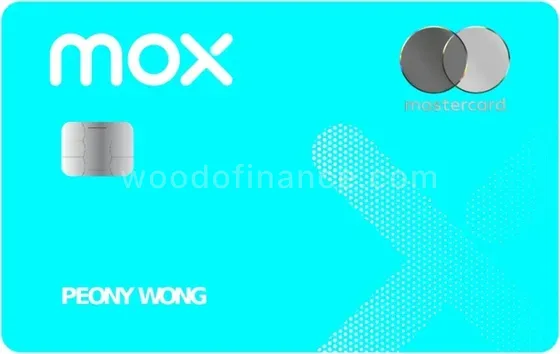
The Mox Credit Card suits anyone who wants steady value without chasing categories. It pays 3% CashBack at supermarkets and grocery stores, uncapped, which is where a lot of Hong Kong households spend most. On everything else, you get up to 2% with Mox+ or 1% without, both uncapped.
There's no annual fee. The purchase rate is 35.99% APR, so this works best if you clear the balance each month. The foreign transaction fee is 1.95%, though Mox runs a promotion that drops overseas currency fees to nothing while you have Asia Miles set as your reward. You can switch between CashBack and Asia Miles in the app, and the numberless card doubles as the Mox debit card. The catch: to earn the full 2% on general spend, you need Mox+, so check what that involves before you count on the higher rate.
AEON CARD WAKUWAKU
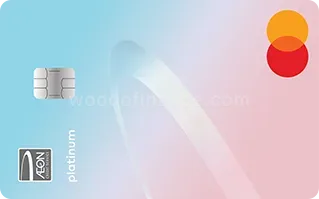
The AEON CARD WAKUWAKU fits online shoppers and anyone who travels to Japan often. It pays up to 6% on online spending and up to 6% on spending in Japan, both within a monthly cap. Local dining earns up to 1%, and everything else gets a 0.40% unlimited basic rebate.
No annual fee. The purchase rate is 35.02% APR and the foreign transaction fee is 1.95%. The sign-up offer is generous: up to HK$900 for new customers, made up of 10% back on Apple Pay and Google Pay (up to HK$500) after HK$8,000 of spend in the first 60 days, up to HK$200 for autopay and app-store spending, and HK$200 for applying online. That offer ends 28 February 2027. The catch is the monthly cap on the headline rates, so the 6% rewards the first chunk of online or Japan spend, not everything you charge.
AEON Visa Credit Card
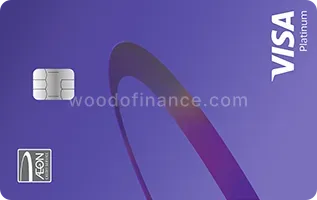
The AEON Visa Credit Card is for people who pay by mobile wallet when they eat out and commute. Pay by mobile wallet after registering and you earn up to 6% (15X Bonus Points) on local dining and up to 6% on local transport; pay with the plain card and it's 2%. Extra points are capped at 25,000 a month, and everything else earns 0.40%.
No annual fee, a 35.02% APR purchase rate and a 1.95% foreign transaction fee. New customers can get up to HK$500 rebate after HK$6,000 of spend within 60 days, plus HK$200 more for applying online. You also get up to 6% back at AEON Stores, Mono Mono and DAISO Japan by mobile wallet, and 5% off at AEON on the 2nd and 20th of each month. The catch: the top rates depend on registering and paying by mobile wallet, so the setup matters.
AEON UnionPay Credit Card
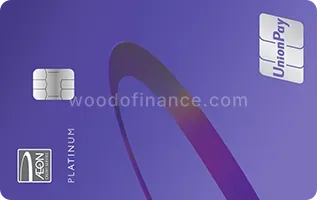
The AEON UnionPay Credit Card covers the same local dining and transport rewards as its Visa sibling, up to 6% by mobile wallet after registering, with the 25,000-points monthly cap. Where it stands apart is the 1% foreign transaction fee, lower than the 1.95% on the other AEON cards, plus up to 6% back on Mainland China, Macau and Taiwan spending after you register for AEON's travel rewards.
No annual fee, 35.02% APR on purchases. The sign-up offer matches: up to HK$500 rebate after HK$6,000 within 60 days, plus HK$200 for applying online. If you cross the border regularly, this is the AEON card to look at first. The catch is the same registration-and-wallet requirement for the bonus rates, and the travel rewards need their own opt-in.
How to choose a cashback card in Hong Kong for the way you spend
Start with the "What it earns" column, then read it against your own month. The right card follows your biggest spending categories, not the biggest headline percentage.
If groceries and general spending dominate, a flat, uncapped rate wins. That's the Mox Credit Card's territory: 3% on groceries and up to 2% elsewhere with nothing to register. If most of your spend is online or in Japan, the AEON CARD WAKUWAKU's up to 6% rates earn more, as long as you stay inside the monthly cap. Heavy on dining and transit paid by phone? Either AEON mobile-wallet card rewards that, and the UnionPay version adds a cheaper 1% foreign fee for Greater China trips. Streamers and online shoppers should weigh the Hang Seng MMPOWER World Mastercard's up to 8% and up to 5% rates, remembering the HK$3,000 monthly spend condition.
Three things decide it in practice. First, the annual fee: five of these six cards charge nothing, while the ICBC Horoscope card costs HK$1,000 a year, so its flat 1.5% has to earn that back before it pays. Second, the caps and registration steps hiding behind the big numbers. Third, the foreign transaction fee if you spend abroad, which ranges from 1% to 1.95% here. If you're unsure which categories actually drive your spending, the fastest way to find out is to look at a few months of real transactions. You can turn your statement PDFs into clean, categorised rows and see the split before you commit to a card.
How we picked these cards
Woodo lists 68 cashback cards for Hong Kong, and this shortlist is drawn from that set. The order follows estimated yearly rewards on a typical spending mix, minus the annual fee; cards that publish no reward rates come last, cheapest annual fee first. All figures were recorded on 8 October 2026 and can change, so confirm the current terms on each card's page before you apply. No issuer pays Woodo for placement, and no issuer can pay to move a card up the list. You can see the full ranked set on the Hong Kong cashback card comparison.
Your next step
Pick the two cards whose top category matches where your money actually goes, open their pages, and check the current sign-up offer and reward caps. If you want proof of where your spend lands first, upload a few months of statements to Woodo; the categorised breakdown shows which categories dominate, and that's what decides the right card. When you're ready to compare side by side, the full Hong Kong credit card list lets you filter by fee and reward rate.
FAQ
Do cashback credit cards in Hong Kong charge an annual fee?
Most on this shortlist don't. Five of the six cards here carry no annual fee, including the Mox Credit Card, both AEON mobile-wallet cards, the AEON CARD WAKUWAKU and the Hang Seng MMPOWER World Mastercard. Only the ICBC Horoscope Dual Currency Credit Card charges a fee, at HK$1,000 a year. A fee isn't automatically bad, but a flat 1.5% rebate has to out-earn that HK$1,000 before the card pays you anything net. If your spending is modest or spread across categories, a no-fee card usually makes the simpler choice.
How is the cashback paid or redeemed?
It depends on the card. The Mox Credit Card pays CashBack and lets you switch to Asia Miles in the app. The Hang Seng MMPOWER World Mastercard pays in +FUN Dollars at HK$1 for every HK$250 of basic spend, with bonus rates on top. Both AEON dining and transport cards work on Bonus Points, where 250 points equal HK$1 of rebate, and the top rates need you to register and pay by mobile wallet. Read the redemption method before you apply, because a high rate paid in a currency you rarely use is worth less than a plain cash rebate.
What spending do the highest rates actually cover?
The headline percentages apply to specific categories, usually with a cap. The AEON CARD WAKUWAKU pays up to 6% on online shopping and Japan spending within a monthly cap, then 0.40% on everything else. The AEON Visa and UnionPay cards pay up to 6% on local dining and transport by mobile wallet, with extra points capped at 25,000 a month. The Hang Seng card pays up to 8% on online entertainment and up to 5% on online shopping after HK$3,000 of eligible spend in the month. Match the bonus category to your real spending, or you'll mostly earn the base rate.
Will I pay a fee when I spend overseas?
Yes, on most of these cards. The foreign transaction fee is 1.95% on the Mox Credit Card, the AEON CARD WAKUWAKU and the AEON Visa Credit Card. The AEON UnionPay Credit Card charges a lower 1% and adds up to 6% back on Mainland China, Macau and Taiwan spending after registering. The Mox card also runs a promotion that waives overseas currency fees while Asia Miles is your chosen reward. If you spend across the border or travel often, the foreign fee can matter more than a half-point of cashback, so weigh it before you apply.
How long do I have to hit the sign-up offer?
Each offer has its own window and spending target. The AEON CARD WAKUWAKU offers up to HK$900 for new customers, with HK$8,000 of spend needed in the first 60 days, and the offer ends 28 February 2027. Both other AEON cards give up to HK$500 after HK$6,000 within 60 days, plus HK$200 for applying online. The Hang Seng card offers up to HK$700 +FUN Dollars after HK$5,000 within 60 days, ending 31 December 2026. The Mox and ICBC cards list no sign-up offer here. Always confirm the live offer on the card's page, since terms change.
Who should consider the ICBC Horoscope card despite the annual fee?
Someone who wants one flat, uncapped rate and no categories to track. The ICBC Horoscope Dual Currency Credit Card pays 1.5% cash rebate on all spending with no cap, and it pays in Hong Kong dollars and renminbi from one card. The trade-off is the HK$1,000 annual fee, so your yearly spend needs to be high enough for the 1.5% to clear that cost and still come out ahead. For most everyday spenders, a no-fee card with a stronger grocery or everyday rate earns more, but the simplicity and dual-currency feature suit some people.
Which card is best for everyday Hong Kong spending?
For most everyday spenders, the Mox Credit Card. It pays 3% on groceries and up to 2% on everything else, both uncapped, with no annual fee and no category registration. That combination suits households whose spending is spread across supermarkets, bills and general purchases rather than concentrated in one bonus category. If your month leans heavily toward online shopping, dining or Japan travel, one of the AEON or Hang Seng cards may earn more on those specific categories. Check your own spending split first, then pick the card whose top rate covers where most of your money goes.
What should I check before applying?
Check four things. First, the reward rate for your biggest spending category, not the headline number. Second, any cap or monthly minimum, like the Hang Seng card's HK$3,000 eligible spend or the AEON cards' 25,000-point monthly cap. Third, the annual fee, HK$1,000 on the ICBC card and nothing on the others here. Fourth, the foreign transaction fee if you spend abroad, from 1% to 1.95% across these cards. Also confirm the current sign-up offer on the card's page, since the dates and targets above were recorded on 8 October 2026 and issuers update them regularly.
Stop logging every coffee.Do it on a Sunday.
One PDF, once a month. Woodo's AI pulls every transaction, sorts by category, and shows you where the money went — finished before your coffee cools.
More from Woodo Blog

Which US travel credit card earns the most on your spending?
Woodo's top travel pick is the Chase Freedom Unlimited, which earns 5% back on travel booked through Chase Travel and charges no annual fee. Here's how it stacks up against five other US cards and which one fits your trips.
Which cashback credit card in Singapore actually pays you back?
Woodo ranks the CIMB Visa Signature as the top cashback card in Singapore, with up to 10% on online shopping and groceries and no annual fee. Here's how it compares with five other cards, and which one fits your spending.

How to choose a travel credit card in Germany
The TF Bank Mastercard Gold is our top travel pick in Germany thanks to no annual fee, no foreign transaction fee and included travel cover. Here's how it compares with five other cards and which one fits your trips.