Which cashback credit card in Norway suits how you spend?

If you want a straight answer, Woodo's top pick among cashback credit cards in Norway is the Resurs Bank Nordbykortet. It leads because it pays 1% back on every purchase with no annual fee, which beats the narrower reward rates on most of the shortlist once you spread spending across groceries, fuel and everything else. The catch is that the 1% comes as Nordby Shoppingcenter gift cards, so it suits you best if you shop there anyway. The rest of this guide shows how eight cashback cards compare, and which one matches the way you actually spend.
| Card | Annual fee | What it earns | Sign-up offer | Best for |
|---|---|---|---|---|
| Resurs Bank Nordbykortet | No annual fee | 1% back on all purchases, paid as Nordby gift cards | NOK 100 Nordby gift card | Flat 1% back for regular Nordby shoppers |
| Bank Norwegian Visa | No annual fee | 0.5% back as cashback or CashPoints | None listed | Travellers who fly Norwegian |
| SpareBank 1 Mastercard Ung | No annual fee | 20% off streaming subscriptions, up to NOK 500 a year | None listed | Ages 18 to 34 with several subscriptions |
| Instabank Kredittkort | No annual fee | 5% off public transport and EV charging | None listed | Commuters and EV drivers |
| Kredittbanken Coop Mastercard | No annual fee | 1% extra Coop bonus, up to NOK 2,500 a year | None listed | Coop members who shop there weekly |
| DNB Pluss Mastercard | No annual fee | 1.5% off fuel worldwide, on up to NOK 50,000 a year | None listed | DNB Pluss customers who drive a lot |
The top cashback cards in Norway, card by card
Resurs Bank Nordbykortet
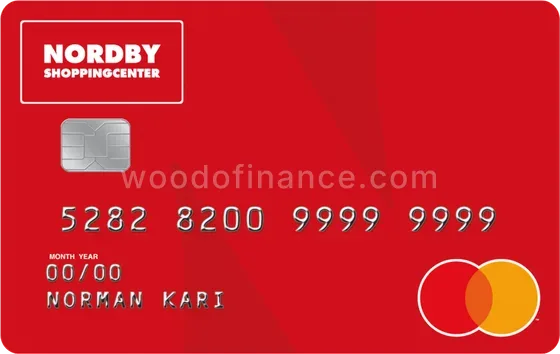
The Resurs Bank Nordbykortet suits anyone who wants one simple rate instead of chasing categories. It pays 1% back on everything, credited as a Nordby Shoppingcenter gift card for every NOK 100 you earn. There's no annual fee, up to 60 days interest-free, and a NOK 100 Nordby gift card when you sign up. You can also split a purchase over six months without interest, though set-up and monthly fees apply there.
The catch is the reward format. Your cashback is only worth face value if you spend it at Nordby Shoppingcenter, so a flat 1% back is excellent for regulars and close to useless if you never go. The purchase rate runs from 11.9% to 21.9% a year depending on the repayment plan, and foreign spending carries a 1.95% fee. Clear the balance each month and the rate won't touch you.
Bank Norwegian Visa
The Bank Norwegian Visa earns 0.5% back on purchases, which you can take as plain cashback or as Norwegian CashPoints where 1 CashPoint equals NOK 1. If you fly Norwegian, CashPoints stretch further: you also get 3% on LowFare tickets, 4% on LowFare+ and 5% on Flex fares. There's no annual fee, up to 45 days interest-free (on cash withdrawals too), and a credit limit of up to NOK 150,000.
The flat earn rate is half the Nordbykortet's, so this card earns its place through the travel side. Travel and cancellation insurance kicks in when you pay at least 75% of a trip with the card, a higher bar than some rivals here. The foreign transaction fee is 1.75%, the lowest on this shortlist. Worth a look if Norwegian is your default airline and you want real cashback rather than gift cards.
SpareBank 1 Mastercard Ung
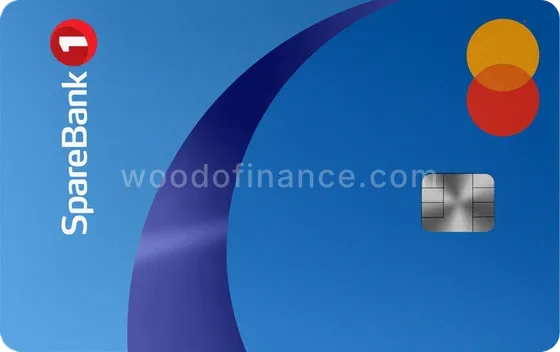
The SpareBank 1 Mastercard Ung is built for ages 18 to 34, and it swaps a cashback rate for a streaming discount: 20% off subscriptions such as Spotify and Netflix, up to NOK 500 a year. If you run several subscriptions, that cap is realistic to hit and the saving is concrete.
No annual fee, up to 45 days interest-free, and travel and cancellation insurance when you pay at least half your trip with the card. There's optional ID theft insurance at NOK 25 a month if you want it. The purchase rate is 21.62% a year and the foreign transaction fee is 2%. This is a narrow card by design. It rewards one type of spending well and ignores the rest, so it fits a younger spender whose monthly outgoings lean on streaming more than groceries or fuel.
Instabank Kredittkort
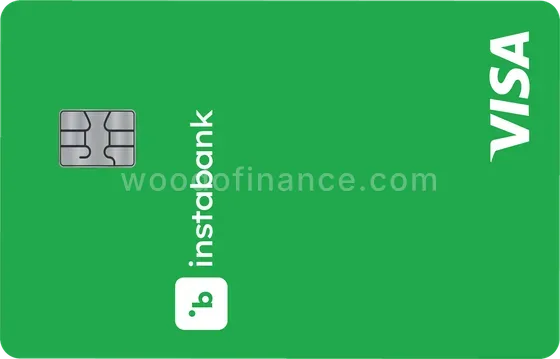
The Instabank Kredittkort pays 5% off public transport and EV charging, the highest headline rate on this list, plus new discount categories that rotate each month on top of the standing ones. If you commute by bus or train and charge an electric car, those two categories alone can add up over a year.
No annual fee, but there's a NOK 40 invoice fee every month, so factor that in before the rewards count as profit. The minimum age is 23 and the credit limit runs up to NOK 100,000. The purchase rate is 18.9% a year and foreign spending costs 2%. The rotating categories reward attention: check them monthly or you'll miss discounts you'd otherwise earn. Good for a city commuter, less so if you drive a petrol car and rarely take transit.
How to choose a cashback card in Norway for the way you spend
Start with the "What it earns" column, not the headline rate. A 5% discount on transport beats a flat 1% only if transport is a real chunk of your spending. A 20% streaming saving is capped at NOK 500 a year, and the Coop bonus is capped at NOK 2,500, so the ceiling matters as much as the percentage.
Next, check how the reward is paid. The Nordbykortet and the Coop Mastercard hand you store value, which is worth face value only where you already shop. The Bank Norwegian Visa gives real cashback or CashPoints, more flexible if you don't want to be tied to one retailer. Every card here has no annual fee, so the trade-off sits in the fine print instead: Instabank's NOK 40 monthly invoice fee, the DNB Pluss debit card at NOK 295 a year, and foreign transaction fees ranging from 1.75% to 2%.
Finally, match the card to your life stage and bank. The SpareBank 1 card is 18 to 34 only, Instabank starts at 23, and DNB Pluss needs you to be over 28 and in DNB's programme. If none of the categories fit how you spend, the flat 1% back on the Nordbykortet is the safest default, assuming Nordby works for you. To compare the full set side by side, Woodo's credit card comparison lets you sort by reward category and fee.
How we picked these cashback cards in Norway
This shortlist comes from the eight cashback cards Woodo lists for Norway. The figures were recorded on 1 November 2026, and the order follows estimated yearly rewards on a typical spending mix minus the annual fee; cards that publish no reward rates follow, cheapest annual fee first. No issuer pays Woodo for placement, and no issuer can pay to move a card up the list. You can see the same ranking on Woodo's cashback card listing for Norway, which is rechecked every month. Sign-up offers change often, so confirm the current terms on each card's own page before you apply.
Your next step
Pick the two cards whose reward category matches your biggest spending, then open each card's page and confirm the current rate and any sign-up offer before applying. If you're not sure where your money actually goes, uploading a few months of statements to Woodo shows which categories dominate, and that's what decides the right card. When you're ready to compare, start with Woodo's credit card listing for Norway.
FAQ
Do cashback credit cards in Norway charge an annual fee?
None of the six cards here charges an annual fee. That said, a couple carry other recurring costs. The Instabank Kredittkort adds a NOK 40 invoice fee each month, and the DNB Pluss Mastercard is tied to DNB's Pluss programme, whose debit card costs NOK 295 a year. So "no annual fee" doesn't always mean free to hold. Before you apply, read the fine print for invoice fees, programme fees and the foreign transaction fee, which runs between 1.75% and 2% across this shortlist. Those small ongoing costs can quietly erode low cashback rates, so weigh them against what you expect to earn.
How is the cashback paid out?
It depends on the card. The Resurs Bank Nordbykortet pays 1% back as Nordby Shoppingcenter gift cards for every NOK 100 earned, and the Coop Mastercard gives an extra 1% Coop bonus. The Bank Norwegian Visa is the most flexible: you choose real cashback or Norwegian CashPoints, where 1 CashPoint equals NOK 1. Store-value rewards are worth face value only where you already shop, so they suit loyal customers of that retailer. If you want cash you can spend anywhere, the Bank Norwegian Visa's cashback option is the one to look at. Check the redemption rules on each card's page before applying.
What income or eligibility do I need to apply?
The cards here set age limits rather than published income floors. The SpareBank 1 Mastercard Ung is for ages 18 to 34, the Instabank Kredittkort starts at 23, and the DNB Pluss Mastercard needs you to be over 28 and enrolled in DNB's Pluss programme. The Coop Mastercard is for Coop members and doubles as the membership card. Beyond age, each issuer runs its own credit check, and approval is never guaranteed. Credit limits vary too: up to NOK 150,000 on the Bank Norwegian Visa and up to NOK 100,000 on the Instabank Kredittkort. Confirm the current requirements on the card's own page before you apply.
Will these cards charge me for spending abroad?
Yes, every card on this list adds a foreign transaction fee. The Bank Norwegian Visa is lowest at 1.75%, followed by the Resurs Bank Nordbykortet at 1.95% and the DNB Pluss Mastercard at 1.99%. The SpareBank 1 Mastercard Ung, Instabank Kredittkort and Coop Mastercard each charge 2%. On a large holiday or online purchase in another currency, that fee can outweigh the cashback you earn. If you spend abroad often, the Bank Norwegian Visa's 1.75% is the gentlest here. Always factor the fee into your sums before using any of these cards outside Norway.
Is there a sign-up offer worth waiting for?
Only one card here lists a sign-up offer: the Resurs Bank Nordbykortet gives new cardholders a NOK 100 Nordby gift card. The other five cards have none listed as of 1 November 2026. Sign-up offers change often and can appear or disappear without much notice, so don't assume today's figure still applies when you apply. Check the current offer directly on the card's page before you commit. A small welcome bonus is nice, but it shouldn't be the deciding factor; the ongoing reward rate and fees matter far more over a year of spending.
Which cashback card suits someone who just wants it simple?
The Resurs Bank Nordbykortet, if you shop at Nordby Shoppingcenter. It pays a flat 1% back on everything, so you don't have to track rotating categories or remember which spend earns what. There's no annual fee and up to 60 days interest-free. The trade-off is the reward format: your cashback arrives as Nordby gift cards, worth full value only there. If you'd rather have flexible cash, the Bank Norwegian Visa pays a flat 0.5% as real cashback or CashPoints. For a single, no-fuss rate, those two are the ones to compare first.
What should I check before applying for a cashback card?
Match the card's reward category to your largest spending, then read the costs underneath. Check the monthly or programme fees, the foreign transaction fee, the purchase interest rate and any cap on rewards. The Coop bonus caps at NOK 2,500 a year, the DNB fuel discount covers up to NOK 50,000 of spending, and the SpareBank streaming saving stops at NOK 500. Confirm you meet the age or membership rules, and verify the current rates on the card's page, since issuers update terms regularly. If you clear your balance monthly, the interest rate matters less; if you carry a balance, it matters most.
Stop logging every coffee.Do it on a Sunday.
One PDF, once a month. Woodo's AI pulls every transaction, sorts by category, and shows you where the money went — finished before your coffee cools.
More from Woodo Blog

Which German card hands you the biggest sign-up bonus?
The easybank Kreditkarte is Woodo's top sign-up bonus pick in Germany, with a €50 start bonus and no annual fee. Here's how it compares with five other cards and which bonus suits how you spend.
Which cashback card in Sweden puts the most back in your pocket?
Woodo's top cashback pick in Sweden is the American Express Blue Cashback, which pays 1.25% back on everything you buy. Here's how six cards compare, and which one fits how you actually spend.
Which no annual fee credit card in Canada is worth carrying?
Woodo ranks the More Rewards RBC Visa Infinite first among no annual fee credit cards in Canada, for its 4x points on everything at a $0 fee. Here's how six cards compare on rewards, rates and perks.