How to pick a no annual fee credit card in Ireland


If you want a card that costs nothing to hold year after year, the strongest of the no annual fee credit cards in Ireland right now is the AIB Platinum Visa Card. It pairs a low 11.84% purchase rate with 0.5% Cash Back Awards on spending over €5,000, so the money you earn works against a small borrowing cost. Every card below skips the yearly fee, though the €30 government stamp duty still applies unless an issuer refunds it. The real differences show up in reward rates, interest and foreign spending.
| Card | Annual fee | What it earns or offers | Sign-up offer | Best for |
|---|---|---|---|---|
| AIB Platinum Visa Card | No annual fee (€30 government stamp duty) | 0.5% Cash Back Awards on spend over €5,000, max €225 a year | None listed | Steady spenders who clear the €5,000 threshold |
| Avant Money Everyday+ Credit Card | No annual fee, and the €30 stamp duty is refunded | 5% cashback on groceries and fuel for 12 months, then 1%, capped at €25 a month | None listed | Households with heavy grocery and fuel spend |
| Bank of Ireland Affinity Credit Card | No annual fee (€30 government stamp duty) | College-branded card with a donation to your chosen college | None listed | Graduates who want a donation tied to their spending |
| Revolut Credit Card | No annual fee (€30 government stamp duty) | RevPoints on every euro, 0% foreign transaction fee on weekdays | None listed | Frequent travellers and app-first users |
| AIB 'be' Visa | No annual fee (€30 government stamp duty) | Purchase rate drops to 14.16% when you spend over €5,000 a year | None listed | Younger spenders building a credit history |
| AIB CLICK Visa Card | No annual fee (€30 government stamp duty) | Lowest purchase rate here at 9.11% | None listed | People who sometimes carry a balance |
The top no annual fee credit cards in Ireland, card by card
AIB Platinum Visa Card
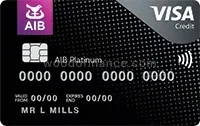
The AIB Platinum Visa Card suits someone who puts most of their everyday spending on one card and clears the balance each month. Spend over €5,000 (and up to €50,000) in any 12-month period from your account opening date, and AIB gives back 0.5% of that amount, capped at €225 a year. The purchase rate is 11.84% variable, the lowest among the reward-earning cards here, and you get up to 56 days interest free. There's also access to the Visa Luxury Hotel Collection and the usual Google Pay and Apple Pay support.
What costs you: no annual fee, but the €30 government stamp duty still applies, and the 0.5% only kicks in once you pass €5,000. Foreign spending adds 1.75% in Europe and 2.75% elsewhere. If your yearly spend stays well under €5,000, you'll earn little or nothing from the Cash Back Awards.
Avant Money Everyday+ Credit Card
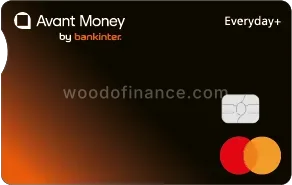
The Avant Money Everyday+ Credit Card is the one to look at if groceries and fuel dominate your monthly outgoings. For the first 12 months you earn 5% cashback on groceries and fuel, dropping to 1% after that, with cashback capped at €25 a month. Other retail spending earns 0.10%. Avant also refunds the €30 government stamp duty the same day it charges it, so holding the card genuinely costs nothing, and balance transfers run at 0% for 6 months.
The catch is the purchase rate, 20.8% variable, the highest on this list. That makes it an expensive card to carry a balance on, so it rewards people who pay in full. The €25 monthly cashback cap also means you stop earning once your grocery and fuel spend passes a certain point each month.
Bank of Ireland Affinity Credit Card
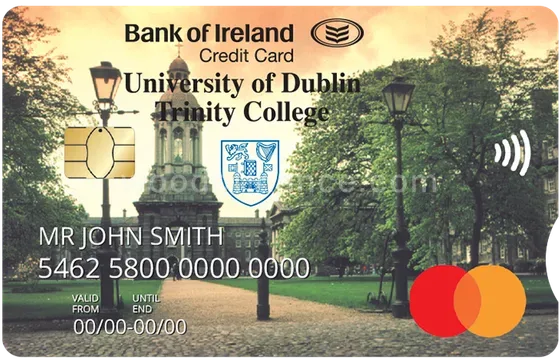
The Bank of Ireland Affinity Credit Card is a college-branded card. Bank of Ireland donates to the college you choose and adds a percentage of your annual spending as a further donation, at no cost to you. It comes with instalment plan options and an emergency cash service. The purchase rate is 14.57% variable, and balance transfers run at 2.9% for 12 months.
This card earns no cashback or points for you personally, so the appeal is the donation and the college link rather than a return on spending. Foreign transactions add 2.25%, and the €30 stamp duty applies. Pick it if the charitable angle matters more to you than rewards.
Revolut Credit Card
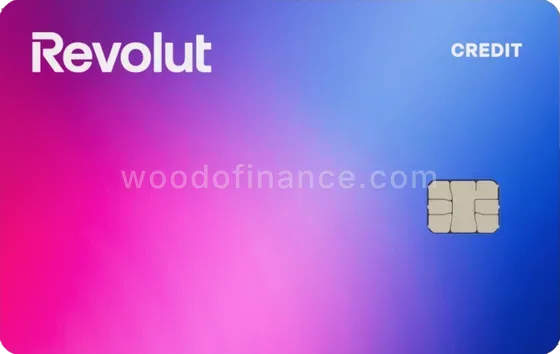
The Revolut Credit Card fits people who travel and manage money in an app. You earn RevPoints on every euro spent (opt-in required, and rates vary by plan), and the foreign transaction fee is 0% on weekdays, 1% at weekends. Purchases get up to 62 days grace, the application is instant and digital, and you can split eligible transactions over €50 into 3, 6, 9 or 12 instalments. The purchase rate is 13.34% variable, with a 0% intro rate for 6 months.
The weekend foreign fee is the thing to watch, so time larger overseas purchases for weekdays where you can. RevPoints value depends on your plan and the programme terms, and the €30 stamp duty applies like the other cards.
How to choose a no annual fee card in Ireland
Start with how you actually use a card. If you pay in full every month, the purchase rate barely matters and you should read the rewards column first. If a balance sometimes rolls over, the purchase rate is the number that decides the real cost, and the AIB CLICK Visa Card's 9.11% stands out there.
Match the rewards to your spending. Heavy grocery and fuel shoppers get the most from the Avant Money Everyday+ Credit Card in its first year. Broad, steady spending over €5,000 suits the AIB Platinum Visa Card. If you travel often, the Revolut Credit Card's weekday 0% foreign fee can save more than a cashback rate would earn.
Two things apply across the board. The €30 government stamp duty is charged on every card here, and only Avant Money refunds it. And every reward cap matters: the €25 a month on Avant and the €225 a year on AIB both put a ceiling on what you can earn, so a high percentage doesn't always mean a high total.
How we picked these cards
This shortlist comes from the 13 no annual fee cards Woodo lists for Ireland, narrowed to the six shown here. The figures were recorded on 1 November 2026, and you can see the full set on Woodo's no annual fee card comparison for Ireland. The order follows estimated yearly rewards on a typical spending mix, minus the annual fee; cards that publish no reward rates come next, cheapest annual fee first. No issuer pays Woodo for placement, and no issuer can pay to move a card up the list. Sign-up offers and rates change, so confirm the current terms on each card's page before you apply.
Your next step
Pick the two cards whose rewards match where your money actually goes, then open each card's page and check the current rate and any offer before applying. If you're not sure which categories dominate your spending, uploading a few months of statements to Woodo's Ireland card comparison alongside a quick spending breakdown shows whether groceries, fuel or travel is the category worth optimising for, and that's usually what decides the right card.
FAQ
Do no annual fee cards in Ireland still charge the €30 stamp duty?
Yes, in most cases. The government charges €30 in stamp duty per credit card account each year, and that applies even when the card has no annual fee. Among the cards here, only the Avant Money Everyday+ Credit Card refunds it, charging the €30 and crediting it back the same day. The AIB Platinum Visa Card, AIB 'be' Visa, AIB CLICK Visa Card, Bank of Ireland Affinity Credit Card and Revolut Credit Card all list the €30 stamp duty as a standard charge. So "no annual fee" means no issuer fee, not zero cost to hold.
Which no annual fee card earns the most cashback?
For groceries and fuel, the Avant Money Everyday+ Credit Card leads in its first year at 5% cashback, dropping to 1% after 12 months, capped at €25 a month. For broad everyday spending, the AIB Platinum Visa Card gives 0.5% Cash Back Awards on spend over €5,000, up to a €225 yearly maximum. The best choice depends on your pattern: concentrated grocery and fuel spend favours Avant, while varied spending above €5,000 favours AIB. Both have caps, so a higher headline rate won't always mean more money back over a full year.
What is the lowest purchase interest rate among these cards?
The AIB CLICK Visa Card has the lowest purchase rate here at 9.11% variable. That matters most if you occasionally carry a balance from month to month, because interest then outweighs any rewards. The AIB Platinum Visa Card follows at 11.84% variable, and the Revolut Credit Card sits at 13.34% variable with a 0% intro rate for 6 months. The Avant Money Everyday+ Credit Card has the highest rate at 20.8% variable, which makes it an expensive card to carry a balance on, so it suits people who pay in full each month.
Are there fees for using these cards abroad?
Yes, most charge a foreign transaction fee. The Revolut Credit Card is the cheapest for travel, with 0% on weekdays and 1% at weekends. The three AIB cards charge 1.75% in Europe and 2.75% elsewhere. The Bank of Ireland Affinity Credit Card adds 2.25%, and the Avant Money Everyday+ Credit Card adds 2.65%. If you travel or shop online in foreign currencies often, that fee can quietly add up, so it's worth weighing against any cashback rate before you choose.
Do any of these cards have a sign-up offer?
None of the six cards listed here has a sign-up bonus recorded as of 1 November 2026. Some do carry introductory rates: the Revolut Credit Card has 0% on purchases for 6 months, and both AIB reward cards offer 3.83% for 12 months on purchases and balance transfers. The Avant Money Everyday+ Credit Card runs 0% on balance transfers for 6 months. Offers change often, so check each card's page for the current terms before you apply rather than relying on the figures recorded here.
How do I know which card suits my spending?
Look at where your money actually goes over a few months. If groceries and fuel make up a big share, the Avant Money Everyday+ Credit Card's 5% first-year cashback is hard to beat. If your spending is broad and tops €5,000 a year, the AIB Platinum Visa Card's 0.5% Cash Back Awards fit better. Frequent travellers usually save more from the Revolut Credit Card's weekday 0% foreign fee than from a cashback rate. Mapping your real spending categories first, before comparing rates, is the fastest way to a confident choice.
Will applying guarantee I get approved?
No. Approval depends on the issuer's own lending checks, and no card can be guaranteed. Irish lenders assess your income, existing credit and repayment history before offering a card or a limit. Before applying, check the purchase rate, the foreign transaction fee and whether the €30 stamp duty is refunded, and confirm the current terms on the card's own page. Applying for the card that fits your spending, rather than several at once, gives you a cleaner application and a card you'll actually use.
Is a no annual fee card always cheaper than a paid card?
Not automatically, though the ones here avoid an issuer fee. A no annual fee card still carries the €30 government stamp duty unless the issuer refunds it, as Avant Money does. The real cost comes from the purchase rate if you carry a balance, and from foreign transaction fees if you spend abroad. A card like the AIB CLICK Visa Card at 9.11% can cost far less in interest than a higher-rate card, even though both skip the annual fee. Compare rates and fees, not just the fee line.
Stop logging every coffee.Do it on a Sunday.
One PDF, once a month. Woodo's AI pulls every transaction, sorts by category, and shows you where the money went — finished before your coffee cools.
More from Woodo Blog

Which German card hands you the biggest sign-up bonus?
The easybank Kreditkarte is Woodo's top sign-up bonus pick in Germany, with a €50 start bonus and no annual fee. Here's how it compares with five other cards and which bonus suits how you spend.

Which cashback card in Sweden puts the most back in your pocket?
Woodo's top cashback pick in Sweden is the American Express Blue Cashback, which pays 1.25% back on everything you buy. Here's how six cards compare, and which one fits how you actually spend.
Which no annual fee credit card in Canada is worth carrying?
Woodo ranks the More Rewards RBC Visa Infinite first among no annual fee credit cards in Canada, for its 4x points on everything at a $0 fee. Here's how six cards compare on rewards, rates and perks.